
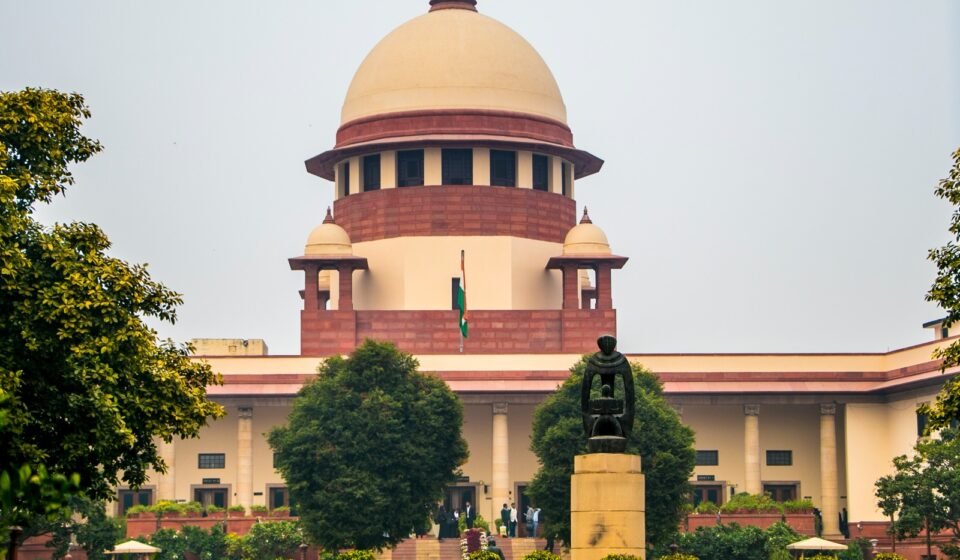
Supreme Court Steps Up Action Against Digital Arrest Scams
The Supreme Court is closely monitoring the growing number of “digital arrest” scams, where fraudsters pretend to be police officers, CBI officials, judges or other government officials and force victims to transfer money. The proceedings began after an elderly couple was allegedly cheated of more than Rs 1 crore by fraudsters using fake government and court documents. The scammers allegedly threatened the couple with arrest and kept them on video calls while forcing them to transfer money.
In its order dated August 4, 2026, the Supreme Court directed the Reserve Bank of India (RBI) to prepare a Standard Operating Procedure (SOP) for banks dealing with accounts linked to cyber fraud and money-mule activity. The Court also asked States and Union Territories to make the existing grievance redressal and money-restoration systems fully operational so that victims can recover money lost in cyber fraud.
The Court also took note of steps being taken by the Indian Cybercrime Coordination Centre (I4C), banks and investigating agencies. It directed the authorities to improve coordination, identify suspicious accounts and take quicker action to prevent the movement of fraudulent funds.
The Supreme Court has also asked authorities to examine technological measures that could help stop prolonged calls used by fraudsters during digital-arrest scams. State Legal Services Authorities have been asked to create awareness among the public and assist victims in recovering their money.
The Court’s intervention is significant because “digital arrest” is not a real legal process. No genuine police officer or court can order a person to remain on a video call and transfer money to avoid arrest. The Supreme Court’s ongoing proceedings are focused on strengthening India’s response to such cyber fraud and ensuring better protection and recovery mechanisms for victims.