SC to Examine Plea on CEC Appointment Law After Split Verdict
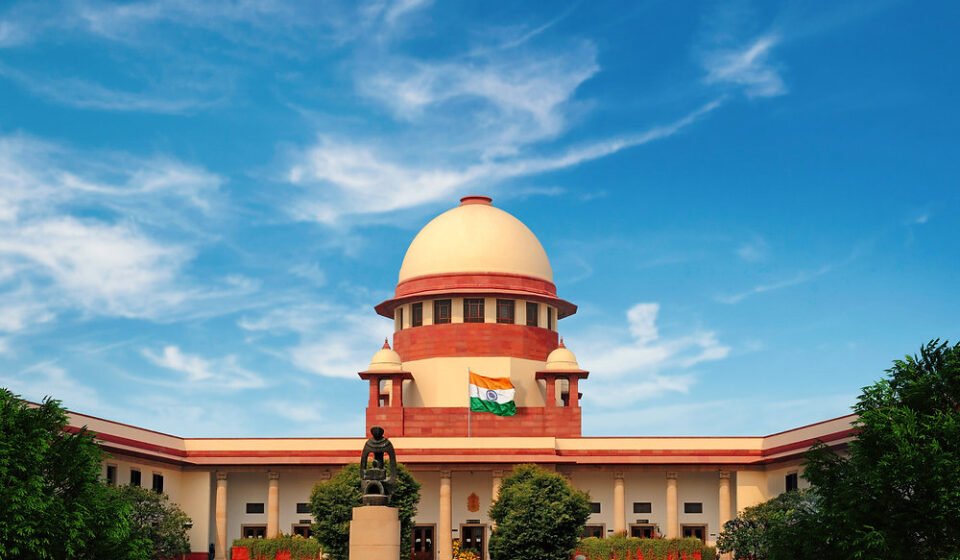
New Delhi: The Supreme Court has agreed to examine an application seeking recall of a split verdict concerning the law governing the appointment of the Chief Election Commissioner (CEC) and other Election Commissioners (ECs). The application was orally mentioned before Chief Justice of India Justice Indu Surya Wala by senior advocate Gopal Sankaranarayanan. The plea seeks consideration of the issue by a larger Bench after two judges of the Supreme Court expressed different views on the matter.
The dispute relates to the Chief Election Commissioner and Other Election Commissioners (Appointment, Conditions of Service and Term of Office) Act, 2023. The law provides for a selection committee consisting of the Prime Minister, a Union Cabinet Minister nominated by the Prime Minister and the Leader of Opposition in the Lok Sabha.
The issue arose from a challenge to the constitutional validity of the 2023 law. A Division Bench headed by Justice Dipankar Datta had considered the challenge and delivered a split verdict. Justice Dipankar Datta, who was the lead judge on the Bench, declined to refer the matter to a Constitution Bench. Justice Datta held that the 2023 law was prima facie valid and observed that there was no need to ignore an earlier Constitution Bench judgment in the Anoop Baranwal case.
The Anoop Baranwal judgment had laid down a mechanism under which the Chief Election Commissioner and Election Commissioners were to be selected by a committee comprising the Prime Minister, the Chief Justice of India and the Leader of Opposition, until Parliament enacted a law on the subject. Justice Satyashiv Chandra Sharma, however, took a different view. He supported referring the challenge to a Constitution Bench and disagreed with Justice Datta’s approach.
With the two judges taking divergent views, the matter required consideration on how the split verdict should be dealt with. The Supreme Court has now agreed to examine the plea seeking recall of the split verdict.
The case is significant as it concerns the manner in which the country’s top election officials are appointed. The challenge also raises questions concerning the role of the judiciary and Parliament in determining the framework for appointments to the Election Commission of India.