
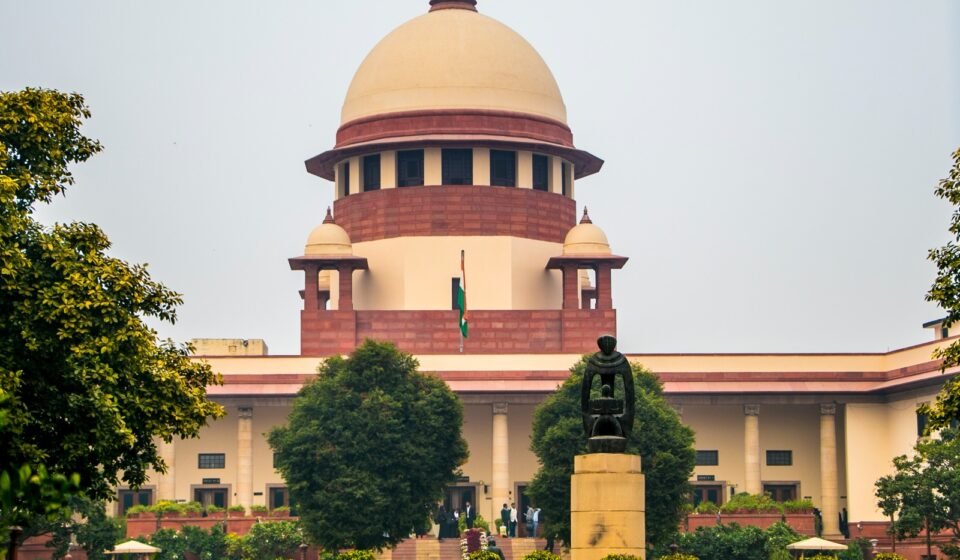
Bengal Voters Move Supreme Court Against SIR After Names Deleted From Electoral Rolls
Several voters from West Bengal whose names were deleted from the electoral rolls during the Special Intensive Revision (SIR) process have approached the Supreme Court challenging the deletion. The petitioners have sought the Court’s intervention, raising concerns about the removal of their names and the uncertainty surrounding their voting rights ahead of the upcoming elections.
The petition was filed by Rajani Ali Molla and others through advocates Prashant Bhushan and Neha Nathani. The applicants stated that their appeals against the deletion of their names from the voters’ list were still pending before the appellate tribunals for several months. They expressed concern that the delay could affect their ability to participate in the electoral process.
According to the report, the petitioners stated that they had received notices alleging “logical discrepancies” in their electoral records. They said their names had been marked as being “under adjudication” following hearings conducted in 2026.
The applicants further submitted that, in April, they were informed that their names had been deleted from the electoral rolls. They claimed that they were not given an opportunity to explain or clarify the outcome of their cases before their names were removed from the list of eligible voters.
The petitioners have raised concerns about the consequences of deleting names while appeals remain pending. They argued that the uncertainty surrounding their electoral status could affect their ability to vote in the upcoming elections.
The matter assumes significance as West Bengal is scheduled to hold elections in the near future. The petitioners have sought judicial intervention to address the uncertainty over their names and the pending appeals before the appellate tribunals.
The Supreme Court has been approached to examine the grievances arising from the SIR process and the deletion of names from the electoral rolls. The petition raises questions concerning the handling of objections, the opportunity available to affected voters to present their case, and the consequences of prolonged delays in deciding appeals.
The final outcome will depend on the proceedings before the Supreme Court. Until the Court passes an order, the allegations and concerns raised by the petitioners remain their submissions and should not be treated as established judicial findings.